Strategy 2023-2027
The operations for Leader Polaris are based on public, private, and non-profit actors coming together around a development strategy that has been developed in dialogue through broad democratic processes. The strategy will be used to guide the LAG board's work with prioritization and selection of applications as well as communication and other development work in the area. All projects applying for support are assessed against the strategy's focus areas and goals.
Leader Polaris development strategy 2023-2027
On this page, you will find our vision, our goals, and our focus areas. In the strategy document in its entirety, you can read more about the development area, our needs and opportunities, and how we will carry out the work during the program period.
In the small things, the big things happen.
Here, life is close. Here, there is room to grow. Here, you are at home.
Goal 1: Create attractive living environments where people want to work, live, reside, and visit
By creating an attractive community characterized by good service, good infrastructure in information and marketing, opportunities for housing construction, inclusive meeting places, equality, and diversity, we can increase immigration, become stronger in cultural and creative industries, including the tourism sector, and enhance quality of life.
We want a multicultural community with cultures, languages, and dialects that meet, and also invite more to take part in it. An attractive community is also characterized by a diversified business life and a breadth within the association life. To strengthen the association life, we also need to consider the modernization that comes with a change in organization and execution regarding sports and culture.
We also hope that our community will become attractive for life enthusiasts who choose to live in the area and work remotely to other parts of the country or the world. Today's digital development and experiences from the ongoing pandemic have created conditions for this. The tourism sector can be part of this immigration ladder where today's visitors may later choose to settle in the area.
Goal 2: Create sustainable and smart solutions to strengthen the place and well-being of the people
We want both the place and the people here to thrive. We see this happening by working with sustainability (social, economic, and environmental) in general and collectively, as well as through skills development.
By supporting the circular and small-scale, sustainability can be strengthened. Key factors include taking advantage of the opportunities of digitalization, local or small-scale production, locally grown, efforts to counter climate challenges, renewable energy, and solutions for, as well as the transition to, fossil-free alternatives. To succeed in this, there is great potential to utilize surrounding initiatives from business organizations, local or regional projects, and other actors that can enable and strengthen competence in the area.

Focus area 1: Places and experiences
Places and experiences can be both physical and digital.
To meet the great interest in sustainable and attractive communities, the strategy will prioritize efforts that create or develop meeting places and increase the conditions for an active leisure and cultural life. Particularly interesting are also efforts around place innovation.
Infrastructure, such as platforms for marketing, clusters for collaboration and packaging, for cultural and creative industries (CCI) and businesses, is a prioritized area. Another important industry is the tourism industry as it benefits all sectors, not just the business community. Creating and making visible reasons for visits, experiences, and a rich supply of organic and locally grown food is important. To further meet the needs of the business community, it is advantageous if measures within the focus area contribute to increasing awareness of the area as a destination for visitors, which in turn can also attract new residents. A prioritized effort is also to create opportunities for the non-profit cultural sector and increase diversification within the business community.
Focus area 2: Social sustainability
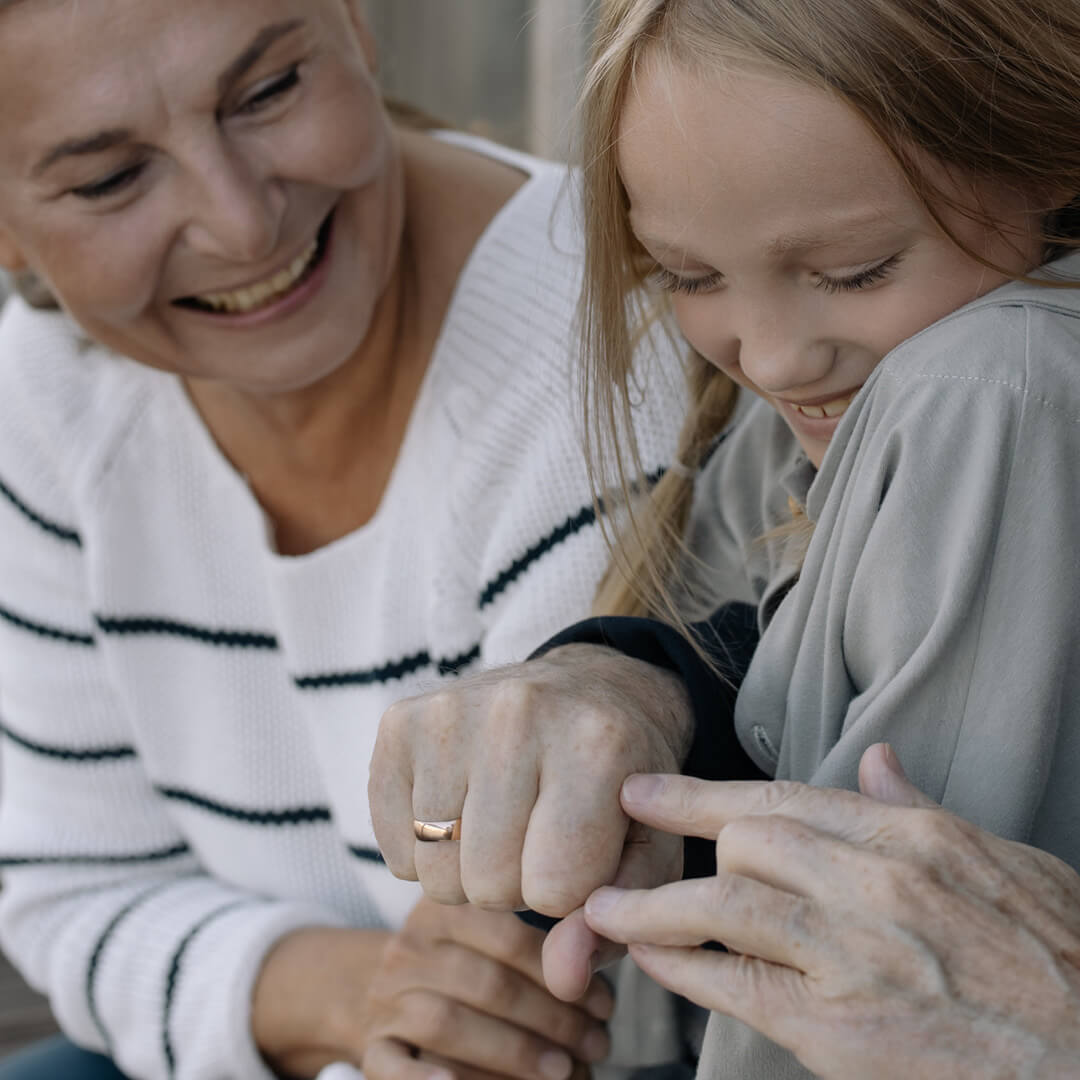
A socially sustainable community is, according to the Public Health Agency's definition, an equal and equitable community where people live a good life with good health without unjust differences. The focus area will focus on competence enhancement and work around inclusion, equality, and physical and mental well-being. Good health is a fundamental prerequisite for people's ability to reach their full potential and contribute to the development of the community. Social innovations with new innovative services, products, processes, collaborations, and methods that aim to meet the challenges of society are seen as important within the focus area.
The intention with our goal regarding sustainability is that we want both the place and the people here to thrive, enjoy quality of life, and that we contribute to the planet's best.
Focus area 3: Smart rural areas
Working for smart rural areas means finding creative solutions that ensure good communication, strengthened access to housing, education, and services in and outside urban areas. Working strategically for smart rural areas through collaboration at local, regional, and national levels is therefore seen as a key factor in meeting local challenges. Many good initiatives are being made today, but to truly make a difference, cooperation and shared responsibility among all sectors in the area is required. The digitization of society strengthens the conditions for working remotely, and the use of necessary digital technology can be part of the intervention area. The use of digital technology can be a challenge for certain groups in society, which needs to be considered.
The intervention area also involves promoting the circular economy, for example by supporting the industries and small-scale initiatives that include the production and processing of food, forestry, and fishing. Initiatives that promote small-scale production of renewable and fossil-free energy should also be encouraged. We need to collaborate to contribute to sustainable climate adaptation, where local initiatives are part of Sweden's work in the area.
